ultimate tips for prolonging the life of your kitchen knives
Your kitchen knives are essential tools that deserve proper care and attention. A well-maintained knife can enhance your cooking experience and ensure safety in the kitchen. In this guide, we will share expert tips on how to prolong the life of your kitchen knives, ensuring they remain sharp, effective, and ready for use.
Invest in Quality Knives
Your journey to knife longevity begins with the right purchase. Quality knives made from high-carbon stainless steel or ceramic are designed for durability and performance. While they may come with a higher price tag, the investment pays off in the long run as these knives resist corrosion and maintain their sharpness far better than cheaper alternatives.
Proper Storage Techniques
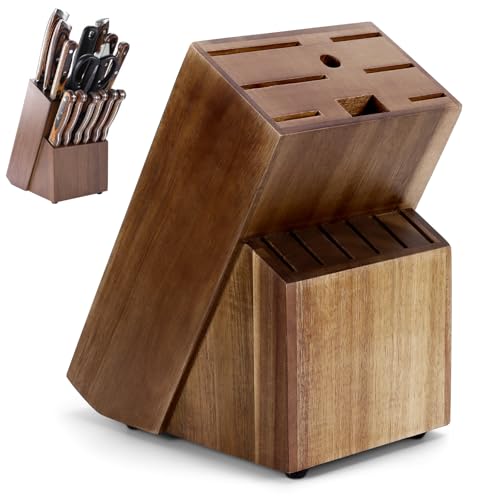
How you store your knives significantly impacts their lifespan. Avoid tossing them into a kitchen drawer where they can clank against each other and become chipped or dull. Instead, consider using a magnetic knife strip, a knife block, or blade guards. These storage solutions protect the blades from damage and keep them accessible for everyday use.
People Also Look For:
- longzon Knife Sharpener, 4 in 1 Kitchen Knife Sharpening 4 Stage Manual Knife Sharperener Tool with Cut Protection Gloves for Shar...
- Sharp Knife Set, 5 Pieces Professional Chef Knives Sets, Damascus Kitchen Knives with Gift Box, Stainless Steel Finish Blades Rese...
- Ninja Foodi StaySharp Knife Block with Integrated Sharpener; 5 Knives and Scissors (1 pair), Sharp 6-Piece Knife Set; Chef, Bread,...
- Knife Block Without Knives, Square Knife Holder Detachable Knife Block Holder Safe Storage Chef, Scissors, Slicer, Utility, Paring...
- Herogo Cutlery Set, 30 Pieces Stainless Steel Flatware Set with Steak Knives, Hammered Tableware Silverware with Fork Knife Spoon,...
Regular Cleaning and Maintenance
Cleaning your knives after each use is vital. Hand wash them with warm soapy water and dry immediately with a soft cloth. Avoid using the dishwasher, as the high temperatures and harsh detergents can cause damage. Regular cleaning not only keeps your knives hygienic but also prevents rust and corrosion from forming.
Sharpening Your Knives
A dull knife is not only ineffective but can also be dangerous as it requires more force to cut through food. Regularly sharpening your knives is essential. Use a whetstone, honing steel, or a professional sharpening service. Aim to sharpen your knives every few months, depending on usage. Remember, honing does not sharpen the knife but aligns the edge, making it ready for cutting tasks.
Use Appropriate Cutting Surfaces
The cutting surface you choose can impact the sharpness of your knives. Hard surfaces like glass or granite can dull blades quickly. Instead, opt for wooden or plastic cutting boards, which are gentler on the knife edges. Additionally, avoid cutting through bones or hard materials, as this can cause chips in the blade.
Safe Cutting Techniques
Using proper cutting techniques can extend the life of your knives. Always cut away from your body and use a stable cutting board. Avoid twisting or using excessive force when cutting, as this can put unnecessary stress on the blade. Practicing safe cutting techniques not only protects your knives but also minimises the risk of injury.
Avoiding the Wrong Tools
Using the right tools for the job is crucial. Avoid using your kitchen knives for tasks they are not intended for, such as prying open lids or using them as can openers. This can cause damage to the blade and compromise its functionality. Instead, invest in the appropriate tools for specific tasks.
Seasonal Maintenance Checks
Every few months, conduct a thorough inspection of your knives. Look for signs of wear, such as rust, chips, or loose handles. If you notice any issues, address them immediately. Regular maintenance checks help you catch potential problems early, ensuring your knives remain in optimal condition.