expert advice on choosing the right knives for your cuisine
Choosing the right knives for your cooking style is crucial for both efficiency and safety in the kitchen. With countless options available, it can be overwhelming to know which knives are best suited for your specific cuisine. In this article, we will provide you with expert recommendations on selecting the perfect knives tailored to your culinary needs.
Understanding the Knife Types
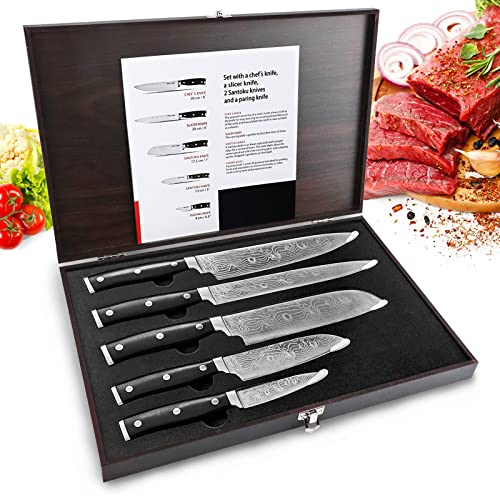
There are several types of knives, each designed for specific tasks. The most common include the chef's knife, paring knife, serrated knife, and boning knife. A chef's knife is versatile and ideal for chopping, slicing, and dicing. A paring knife is small and perfect for intricate tasks, such as peeling fruits and vegetables. A serrated knife is essential for cutting bread and delicate items, while a boning knife is designed for removing bones from meat and fish.
Choosing the Right Material
The material of the knife significantly affects its performance and durability. Stainless steel knives are popular for their resistance to rust and corrosion. They are easy to maintain and often affordable. High-carbon steel knives are sharper and hold their edge longer, but they require more upkeep to prevent rust. Ceramic knives offer a lightweight option that stays sharp for longer but can chip easily. Consider what material best suits your kitchen practices and maintenance preferences.
People Also Look For:
- Tefal Jamie Oliver Utility Knife, German Stainless Steel, K2670955, Black, 12 cm
- SHAN ZU Damascus Chef Knife 6 Inch,67-Layer Japanese Steel 10Cr15Mov Kitchen Knife High Carbon Super Sharp Japanese Chef Knife, Al...
- Fubinaty Chef Knife 5.5 Inch Japanese Cooking Knife Handmade Forged Kitchen Knives Full Tang High Carbon Steel Vegetable Knife wit...
- Cooks Professional Precision 6 Piece Knife Set | with Glass and Bamboo Knife Block | Steel | Chef | Home Kitchen
- BUESTO 3 Piece Japanese Knife Set – Ultra Sharp High Carbon 7Cr18MoV Chef Knife, Utility & Paring Knives – Long Last...
Handle Comfort and Grip
Another crucial factor in knife selection is the handle. A comfortable grip can greatly enhance your control and reduce fatigue during prolonged use. Handles can be made from wood, plastic, or metal. Wooden handles often provide a traditional feel, while plastic handles offer a modern and lightweight alternative. Metal handles can be durable but may become slippery when wet. Always test the grip before purchasing to ensure it feels comfortable in your hand.
Size Matters
The size of the knife is also important. For instance, a standard chef's knife measures between 8 to 10 inches, which is suitable for most tasks. However, if you have smaller hands or prefer more control, a 6-inch chef's knife may be more appropriate. Additionally, consider the size of your cutting board and workspace when choosing your knife sizes.
Budget Considerations
Investing in quality knives can be a significant expense, but it is essential to view them as long-term investments. While there are affordable options, remember that cheaper knives may not have the same durability or performance. A good rule of thumb is to invest in a few high-quality knives rather than a full set of lower-quality ones. Many professionals recommend brands like Wüsthof, Global, and Shun for their excellent craftsmanship.
Specialty Knives for Specific Cuisines
If you specialise in a particular cuisine, there are specific knives that can enhance your cooking. For example, a Santoku knife is excellent for Japanese cuisine, excelling in slicing, dicing, and mincing. A Nakiri knife is also ideal for vegetable preparation, showcasing precision in cutting. If you enjoy Italian cooking, consider a pasta knife designed for rolling and cutting dough. Understanding your culinary preferences allows you to invest in knives that will elevate your cooking experience.
Maintaining Your Knives
Finally, proper maintenance is vital for the longevity of your knives. Regular honing keeps the blade aligned, while periodic sharpening is necessary to maintain a sharp edge. Clean your knives by hand to avoid damage from dishwashers, and always store them safely, preferably in a knife block or magnetic strip to protect the blades.